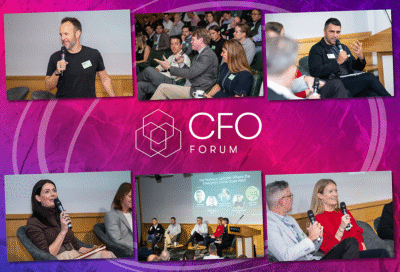



TechCFO Unplugged is our new content series that gets inside the minds of the UK’s top scaleup CFOs – the real stories, unfiltered decisions, challenges and lessons that define what it truly takes to lead at the highest level of a growing company.
As part of this series, we tap into conversations from TechCFO Elevate, our initiative supporting ambitious finance leaders stepping toward the CFO role. Each session brings together a seasoned CFO for an honest, unfiltered conversation about their career, their mistakes, their growth and the realities behind the title.
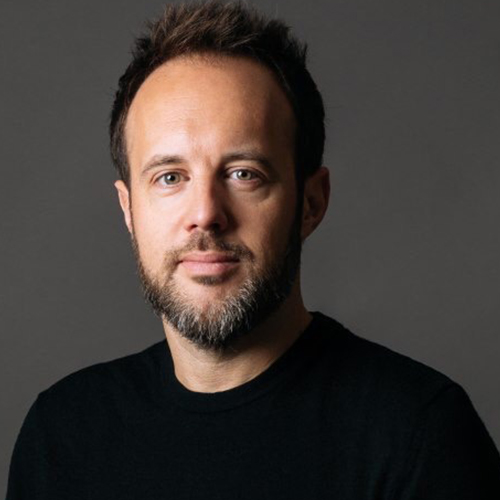
For our first spotlight, we sat down with Imran Khan, CFO at Laka. Imran spoke candidly about his path to the top job, the leap from No.2 to No.1, building trust with founders and VCs, and why his trusted Casio calculator is still his most essential CFO tool.
Here’s what we learned.
Choosing Your Track and Becoming T-Shaped
Imran began by demystifying the classic finance “tracks”: FP&A, Controllership, Treasury, Commercial.
There’s no right or wrong route, he emphasised, but your early specialism often shapes the kind of CFO you become.
- Controller-led backgrounds traditionally suit balance sheet heavy, complex businesses.
- FP&A and commercial backgrounds often thrive in asset light environments, particularly SaaS and Tech.
- But the goal is the same: evolve into a ‘T-shaped’ leader – a broad financial and commercial set of skills, with a deep specialism in one area
Imran himself started in FP&A, then deliberately expanded into treasury and controllership roles to broaden his CFO toolkit. The advice was clear:
Don’t wait for the CFO title to widen your skillset. Do it early.
The Hardest Leap: From No.2 to No.1
When asked about the toughest transition in his career, Imran didn’t hesitate:
moving from deputy to leader.
As a No.2, you have cover. Someone in finance above you to sense-check decisions. A safety net.
As a CFO, the safety net disappears.
Your boss is no longer a finance expert, it’s the founder or CEO. You’re the one making the call. And the biggest unlock, Imran shared, was learning to say:
“I don’t know, but I’ll find out.”
The confidence to not know everything, coupled with the credibility to go and figure it out, is what separates strong CFOs from the rest.
Building a High-Performing Finance Team as a CFO
Imran’s hiring philosophy was simple:
Don’t hire another you.
You need people who complement your weaknesses, not mirror your strengths.
Look for:
- A track record of building, not inheriting
- Comfort with ambiguity
- Ability to operate in messy, imperfect, scrappy environments
Interviews alone won’t show this – look deeper. Startup finance is chaotic, he reminded us. People say they love fast paced environments, but many don’t. Those who genuinely do are rare and invaluable.
Operating as a Startup CFO: Decisions Without Perfect Data
Life as a startup CFO is defined by imperfect information.
You may be asked one moment whether someone can expense a £25 train ticket, and the next whether the company should invest millions into a long term capital project. .
You will not have a polished business case for every decision, and you cannot become a blocker.
Imran’s decision-making framework is as follows:
- How big is this?
- How reversible is it?
- Does it really matter?
If it’s small and reversible – decide fast.
If it’s big and sticky – dig deeper.
The job is to keep pace with the business, not slow it down.
How to Manage Founders and VCs
One of the most revealing parts of the session was Imran’s honesty about managing up, especially with founders and investors.
Working with VCs as a CFO
VCs will interview you when you join a scaleup and they will be one of your main stakeholders.
Imran’s advice:
- Build trust outside board meetings.
- Learn each investor’s personality and pressure points.
- Avoid “disruptive money” when fundraising – not all capital is good capital.
Your credibility with a VC often comes down to answering one simple question:
“So what?”
Numbers are good, stories are useful, but neither alone is enough. A CFO must blend them seamlessly.
Working with Founders as a CFO
Founders are passionate, fast-moving, visionary, and sometimes chaotic.
A great CFO needs:
- Good rapport – the airport test: could you survive a delayed flight with them?
- Brutal honesty – the courage to say “no” when it matters
In Imran’s words:
“Sometimes you’re the counsellor. Sometimes you’re the adult in the room.”
Staying Close to the Business
A CFO shouldn’t sit in the back office.
To build influence and make better decisions, Imran insists on being everywhere:
- Sales team standups
- Product roadmap reviews
- Pricing conversations
- Marketing planning sessions
You may feel like an outsider at first, but presence builds trust and gives you the breadth you need to lead.
Change Management: Why You Must Repeat Yourself
On system changes, billing migrations or process shifts, Imran shared a truth every finance leader eventually learns:
People rarely listen the first time. Or the second. Or the third.
Communicate early. Over-communicate. Repeat yourself until you’re sick of hearing it because that’s normally the point people finally absorb it.
The One Tool He Can’t Live Without
Not a system. Not a platform.
A Casio calculator.
The humble kind we all used in GCSE maths.
Because real CFO work often happens across a desk:
- Crunching a margin
- Stress-testing a hypothesis
- Sparring numbers with a founder
- Validating assumptions in seconds
Quick maths builds credibility. Simple tools still matter.
Final Thoughts: What Makes a Successful CFO?
For Imran, the modern CFO comes down to two core traits:
Credibility
Not perfection – credibility. People will tolerate uncertainty or mistakes if they trust your judgement and direction.
Visibility
Great CFOs don’t confine themselves to the finance function. They embed across the organisation, show up in unexpected rooms, and use finance’s cross-business vantage point to influence decisions that shape the entire company.
What’s Next
Imran’s conversation captures exactly what TechCFO Unplugged is here to explore: the honest, unvarnished realities of life as a CFO – the decisions, the doubts, the dynamics and the lessons you can’t learn from a textbook.
To hear these conversations as they unfold, come along to TechCFO Elevate – our live sessions designed specifically for finance leaders on the road to CFO: Heads of Finance, Finance Managers, Controllers and rising talent preparing for the top seat. If you’d like to join the next session – or put colleagues forward – we’d love to have you in the room.