



To celebrate its eighth annual instalment, CP Deals’ Healthcare Hacks made its North West debut, bringing together a select group of health and social care CEOs for a roundtable lunch overlooking Manchester from 20 Stories.
This year’s theme: the future of care, shaped by technology, investment appetite, regulatory pressures and the realities care operators face on the ground.
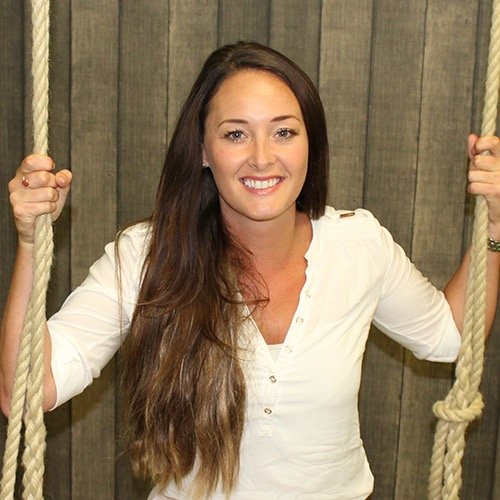
The session featured expert insights from Clare Connell, CEO of Connell Consulting, who has 25+ years’ experience of commercial due diligence in the sector and more than 500 transactions under her belt.
Below, you’ll find a breakdown of what was discussed – and, more importantly, what leaders in health and social care can take away right now.
THE INVESTMENT MARKET: STRONG APPETITE, SLOWER PROCESSES
Across both health and social care, investor interest remains buoyant.
Demographic drivers, from ageing populations to an increased incidence of mental health and neurological issues, have prompted higher demand for services and a new stream of investment interest. Demand is being driven by longer life expectancy as well as higher prevalence and diagnosis. Much of this new investment is coming through infrastructure investors and family offices, frequently from overseas.
Deals are taking longer to complete, but the “log jam” of larger transactions is expected to break, to drive deal activity in the mid-market. Below the surface, there is more activity than many realise, with a significant number of transactions remaining unannounced.
Key takeaways for specialist care leaders
- High‑quality care is the #1 value driver: Buyers are prioritising quality, care outcomes and management capability over everything else.
- Quality of earnings matters more than ever: Stable margins, good occupancy and diversified pathways (e.g., residential care combined with supported living) strengthen attractiveness.
- Real estate still carries a premium, though mixed freehold/leasehold portfolios remain viable.
- Children’s services are under review, with lower multiples following government and CMA interventions making the sector appealing to a range of buyers focused on quality and good cash flow.
REGULATORY FRICTION: KEY TAKEAWAYS
- Expect continued delays and variability in regulatory oversight – build this into operational planning.
- Develop clear, evidence‑backed narratives for commissioners when costing tools outputs fall short.
- Strengthen documentation and cost breakdowns to support fair fee negotiations.
- Use software tools that evidence how care is delivered and incidents are managed.
FEES, FUNDING & COMMISSIONERS: A MIXED PICTURE
Local authorities (LAs) are entering fee discussions at more realistic starting points this year, recognising pressures from National Minimum Wage and National Insurance uplifts.
Key takeaways
- LA fee uplifts are being viewed positively
- ICB negotiations require patience – but can be influenced by strong evidence on staffing costs, complexity of need, and outcomes delivered.
- Keep meticulous records of hours delivered vs. hours funded to evidence over‑delivery and justify future pricing.
PEOPLE & WORKFORCE: RECRUITMENT EASING, QUALITY STILL A CHALLENGE
While recruitment pressures are easing, providers report challenges in maintaining high-quality long-term staff, especially within the first six months of employment. Managerial roles are harder to fill.
AI driven tools are increasingly being used to support candidate screening, helping improve both speed and quality of hires.
Key takeaways
- Invest early in onboarding and culture building to reduce 6-month churn.
- Consider AI‑supported recruitment as a way to filter for values, aptitude and long‑term fit.
- Prioritise leadership stability – senior team turnover has a measurable impact on occupancy, quality and growth.
TECHNOLOGY & FUTURE-PROOFING CARE SETTINGS
Our conversations highlighted accelerating adoption of assistive and residential tech, from environmental controls to “interactive” and embedded smart systems designed to make supported living safer, more efficient and more personalised.
However, the consensus was clear: technology only works when properly implemented and future‑proofed.
Key takeaways
- Build tech adoption into long‑term capital planning.
- Trial solutions in small cohorts to assess impact before broader rollout.
- Prioritise technologies that genuinely enhance independence, reduce workload, or improve safety – not just those with glossy marketing.
PRACTICAL STEPS TO GET ‘EXIT READY’
Clare shared several pointers for operators thinking ahead to investment or future exit:
- Keep detailed, accurate records of delivered vs. funded care hours.
- Present a busy, credible head office during buyer visits – many impressions are visual and immediate.
- Ensure individual settings look well‑run, welcoming and consistent with the quality narrative.
- Monitor international staffing exposure, particularly with potential visa changes on the horizon.
- Strengthen the management team early – a stable, experienced team materially boosts valuation.
SECTOR-WIDE INSIGHTS FROM OUR GUESTS
A buzzing room of specialist care CEOs treated us to unique insights from across the sector, including:
- Children’s services: Good time to buy due to lower multiples, and deal activity is happening – even if it’s not publicly visible.
- Fostering: Highly cyclical; if recession hits, supply of foster carers typically rises. Currently, demand is vastly exceeding supply.
- Growth strategies: Many providers are exploring small acquisitions but face challenges “educating” owner‑operators who may be unfamiliar with investment processes.
- Organisational culture: Several leaders emphasised the challenge of scaling and maintaining culture.
These candid conversations show an industry full of opportunity within an environment of competing demands – from scaling responsibly to navigating deal readiness.
FINAL WORD: OPTIMISM, OPPORTUNITY & A SECTOR IN TRANSITION
Healthcare Hacks showcased a care sector with significant momentum, meaningful investor interest and real opportunities for high‑quality operators to grow – provided they can navigate regulation, staffing and pricing dynamics.
Through Clare’s expert eye and the contributions from leaders around the room, one message rang clear: those who can demonstrate quality, stability and a clear pathway of care will be the ones who thrive in the evolving landscape.
Thank you to Clare and all of our attendees for another exceptional edition of Healthcare Hacks. If any of the above sparked a thought or a question, the CP Deals team would love to hear from you.