



You’ve probably seen HMRC’s latest publications — Guidelines for Compliance 8 (GfC8) and Guidelines for Compliance 13 (GfC13) — and if not, here’s the short version: they’re raising the bar. Big time. These aren’t just updates. They’re a clear signal that HMRC expects businesses to tighten up their VAT controls, sharpen their documentation, and be absolutely certain about the accuracy of their returns.
What’s New?
GfC8 sets out a detailed framework of what HMRC now expects from your VAT processes. More checks. More testing. More evidence that you’ve taken reasonable care.
GfC13 takes it further. It’s not enough to think your VAT return is right. You need to know it is — and be able to prove it. If HMRC doesn’t agree with your VAT treatment, they’ll want to see how you got there. No evidence? Expect penalties — and we’re talking anything from 30% to 100% of the VAT due, depending on how they view the error. That’s on top of the tax itself. And interest. Not doing this properly is going to be expensive.
Let’s be blunt: you probably need to be doing more than you are right now when it comes to VAT controls. Make a mistake. Own up to HMRC. If they decide you wouldn’t have made that mistake had you used the controls they’ve clearly laid out, then let’s face it — you’re probably going to get a penalty.
Who’s in the Spotlight?
HMRC is focusing hard on:
- Non-standard rated supplies (zero-rated, reduced-rated, exempt, outside-the-scope)
- Sectors like food, health, education, financial services, and intermediaries
If you’re operating in any of these areas, you need to be absolutely sure HMRC would agree with your VAT position — and you need to be able to back it up.
Why CP?
At Cooper Parry, we don’t just know the rules — we’ve lived them. Our team includes people who’ve worked on both the HMRC and the business side. We’ve handled audits, disputes, and everything in between. So we know what HMRC looks for — and how to stay one step ahead.
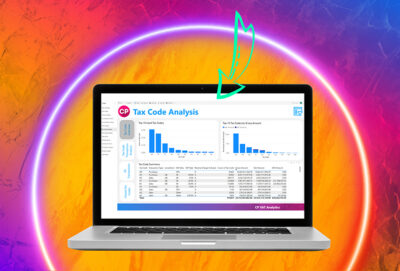
We’ve built a smart way to review your VAT data and controls that mirrors HMRC’s expectations. It helps you:
- Spot risks before HMRC does
- Strengthen your governance
- Evidence reasonable care
- And even uncover cash and working capital opportunities while we’re at it
Bottom Line?
This isn’t about ticking boxes. It’s about protecting your business, avoiding penalties, and getting confident in your VAT position. Want to chat about how we can help? We’re ready when you are.
Get in touch with the team and find out how that could look for you today.