


TechCFO Unplugged is our series getting inside the minds of scale-up CFOs. The real stories, tough decisions, and lessons that define modern finance leadership.
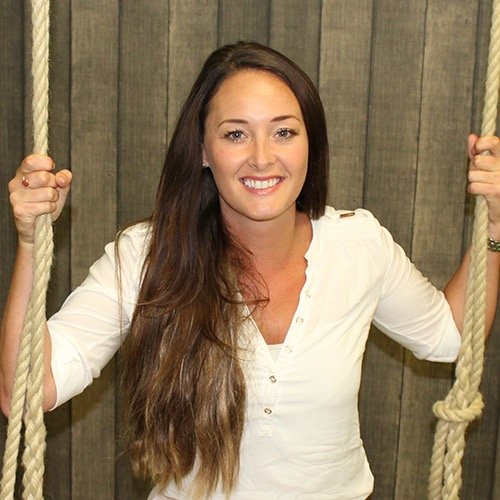
In this session, we sat down with Tom Platford, Portfolio CFO to four tech and media startups. Tom scaled SuperAwesome from $10m to $110m of revenue, played a key role in its exit to Epic Games, and was part of a successful management buyout four years later.
Now working across four high-growth businesses, he shared his perspective on stepping into the CFO role and what it really takes to lead through high-growth, exits and rebuilds.
Here’s what we learned.
Finding the Path to CFO
Tom didn’t start with a fixed plan. Initially set on banking, he pivoted toward tech, drawn to its pace and desire to change things. His turning point came unexpectedly while watching The Office at university.
“It hit me hard. I realised I wanted to love what I did and connect with the people I worked with.”
Once he realised tech was the destination, CFO seemed the obvious profession. His route involved building his foundations in accountancy before moving into digital and eventually into tech, culminating in eight years as CFO at SuperAwesome.
“Comp is one of four levers. Purpose, Product, People are the other three. If two of three are off, the comp won’t fix it.”
The takeaway: there’s no single path to CFO, but clarity on what you want from work matters early.
Scaling Through Complexity: “It’s Always Hard”
At SuperAwesome, Tom helped scale the business through sustained +50% year-on-year growth. His reflection on that experience is simple.
“There’s a baseline level of hard all the time.”
In high-growth environments, there is no steady state. Systems, people and priorities are constantly evolving, often simultaneously, and the CFO sits at the centre of it.
Two periods defined the eight years. First, the 2020 exit. Then the management buyout four years later. Each tested a different dimension of leadership: technical, strategic, and being human.
The Exit: Pressure at its Peak
The exit process coincided with March 2020, the month the country went into COVID-19 lockdown.
At that time:
- There was no financial controller in place
- Audit and month-end were underway
- Full reforecasting was required overnight
- Due diligence had begun
The finance team came to him asking how they were going to deliver an audit and a close without a controller.
“As someone normally so solution led, I sat there and had to say, ‘Guys, I don’t know.’”
That was the low point. “I went home, stuck my head in the sand, and disconnected over the weekend. Then it clicked, and I went into solution mode.”
What followed was a high-stakes, multi-party process, with advisors and buyer teams all stress-testing the business.
“It felt like sparring. You’re landing punches, but you’re taking them too.”
Despite the intensity, the experience stayed with him:
“It was the hardest I’d worked, but probably when I felt most alive.”
The experience reinforced a critical truth about exits:
- Exits are prepared two years before they happen. The deal closes in the last six months. The value is built in the eighteen before
- CFOs are generalists. The specialists are the people they direct.
- Deep knowledge of the business becomes your greatest advantage under pressure
When Leadership gets Personal
Post-exit, the challenges shifted.
Operating within a larger corporate structure, the business shifted from profitable and high-growth to heavily loss-making. A management buyout and significant restructuring became unavoidable.
The buyout announcement and restructure happened on the same day and created two parallel realities:
- One group transitioning into a business becoming independent again
- Another group facing redundancy
“It felt like a battlefield. We were doing triage. Arm round one shoulder, arm round another, while following the process.”
Even the people on the buyout side were shell-shocked. It was the human side of business, the part the financial model doesn’t capture.
Moments like this defined the hardest part of the role: balancing empathy with decisiveness under pressure.
The takeaway: the toughest CFO decisions are rarely the technical ones. They’re human. Leadership is tested most when people are directly impacted.
Managing Pressure: The Pursuit of “Flow”
Operating at this level demands more than resilience. It demands control under pressure.
Tom draws on the concept of “flow”:
“Use pressure to slow down time and think more clearly.”
But he’s clear this is learned, not innate:
“We all get overwhelmed at times.”
To manage that, he builds in deliberate reset mechanisms:
- Running as a mental circuit breaker
- Actively investing in relationships and interests outside work
- Creating space to step back and reset thinking
- “If you experience things you love outside work, you come back lighter.”
The takeaway: great CFOs use pressure to be more productive.
Building High-Performing Teams
For Tom, scaling a finance function comes down to one thing.
“You can’t be 12 people. You need to hire the other 11.”
His approach to building teams is pragmatic and forward-looking:
- Hire for potential. Experience is the second filter
- Prioritise problem-solvers who challenge and improve the work
- Build diversity of thought to drive better decision-making
The goal is to build a team that thinks differently and lifts the whole function.
The takeaway: great CFOs scale through people. The ones doing more themselves become the bottleneck.
Developing Teams at Speed
In high-growth businesses, development can easily fall behind execution.
Tom’s approach is simple:
- Hire individuals who take ownership of their growth
- Encourage learning that is shared across the team
- Focus development where it drives real business impact
“Good development lifts the whole team. The individual gain is the byproduct.”
The takeaway: learning needs to scale with the business.
The Reality of Work-Life Balance
Tom is candid about the trade-offs.
During the exit, he had to make significant changes to the financial model to reflect the impact of COVID, working through the night under extreme pressure, with no sleep. It was a critical piece of work, given the scrutiny the model would face during due diligence.
“It came at a cost, to my health and probably my family.”
He still recognises the tension.
“When you love what you do, sometimes it doesn’t feel like work.”
The takeaway: there is always a cost at this level. The challenge is managing it over time.
What Separates Good from Great CFOs?
Across the conversation, one thing became clear. The CFO role has evolved far beyond technical finance.
The real differentiators today are:
- Communication and storytelling
- Calmness under pressure
- Judgement in ambiguity
- The ability to hire and develop exceptional teams
“Numbers don’t move companies. People do. Your job is to get them moving.”
The bigger shift, as careers progress, is from technical expert to influencer.
“Story leads, data serves. Open with the numbers, and you’ve already lost half the room.”
Closing Thoughts
Tom’s career reflects the reality of modern CFO leadership: constant pressure, imperfect information, and decisions that carry real weight.
The difference is in how you respond when they come.